In just two years, the Urban Forestry Challenge Fund has awarded £1,360,000 across 25 projects, bringing the benefits of trees to communities from Aberdeen to Dumfries
The latest round of funding will see £740,000 invested in 13 projects through the Urban Forestry Programme’s Challenge Fund. The programme is a partnership initiative between Future Woodlands Scotland and JERA Nex bp.
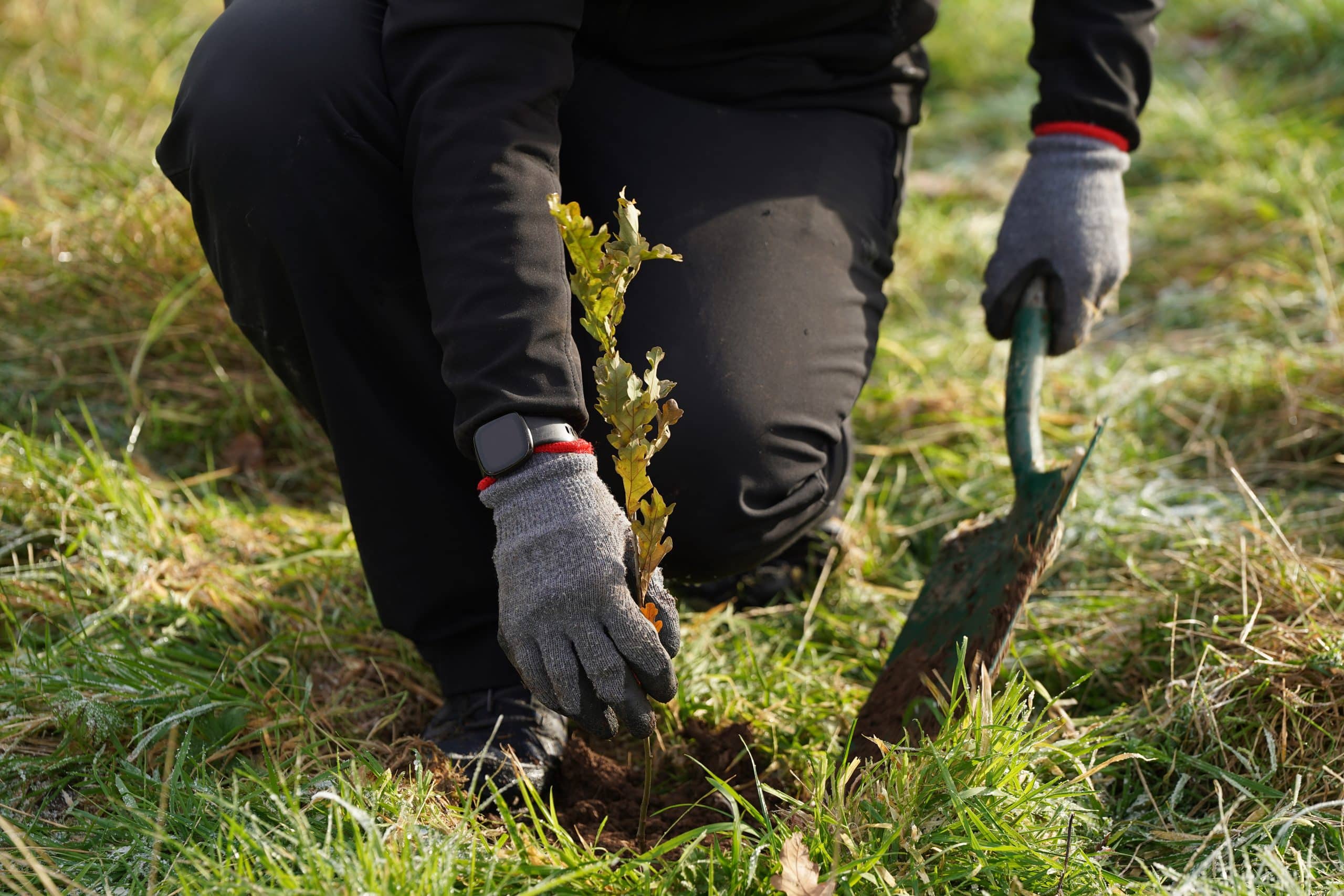
The fund supports projects that create, enhance and expand urban woodlands, helping to make Scotland’s towns and cities greener, healthier and more resilient places to live. The 2026 awards span communities across the country, backing initiatives that aim to improve biodiversity, strengthen climate change resilience and bring more people into contact with nature in the places they live, work and play.
Since the first projects were funded in 2025, £1,360,000 has been invested, over 6,500 trees have been planted, engaging more than 320 volunteers, and four new urban forestry jobs have been created.
Among the projects awarded funding this year is FEL Scotland’s ‘Trees for Goals’, which will receive £94,500 to support community sports clubs to plant and care for trees in and around their grounds.
The simple but powerful scheme began as a pilot with grassroots football team Alloa Saints where a tree was planted for every goal scored throughout the season. Enough goals were scored to plant around 2,000 trees, helping connect sport with practical environmental action. The programme has grown to include 16 clubs across Clackmannanshire, Falkirk and Stirling.
Clara Walker, Executive Director at FEL Scotland, said:
“This funding enables us to plant trees where they’ll make the biggest difference, strengthening communities, improving local environments and inspiring climate action through the power of sport. By working with a range of local partners, we can grow greener neighbourhoods and ensure the impact makes a difference now and lasts well into the future.”
Trees for Goals focuses on communities with low tree cover and poor tree equity, helping to bring the benefits of urban woodland to areas where it is needed most. As well as increasing tree cover, the project is designed to leave a legacy by embedding tree care into regular club activity, ensuring that young people and volunteers continue to nurture the spaces they have helped create.
Trees for Goals is one of a wide range of projects supported through the 2026 Urban Forestry Fund, reflecting the diversity of community-led urban greening taking place across Scotland.
Other successful projects in this year’s funding round include Dumfries LIFT’s NANA’s Garden, which was awarded £18,000 to plant native and fruit trees in Lochside while helping local children and families learn more about biodiversity and climate change resilience. In Dundee, Maxwell Community Centre and Garden’s Dundee Food Forests: The Big Grow is to receive £67,600 to work with community groups and schools to create 25 biodiverse food forests in areas with the greatest tree inequity. Meanwhile in Aberdeen, Social Juice CIC’s Silver City Trees will receive £20,000 to plant 200 fruit and native trees in priority neighbourhoods, combining greener spaces with practical community skills development.
Des Hackett, Urban Forestry Programme Manager at Future Woodlands Scotland said: “The second year of projects to receive Urban Forestry Challenge Funding demonstrates the growing ambition and creativity of organisations across Scotland to make our urban areas greener and healthier. From community sports grounds to neighbourhood woodlands, the 13 projects show how local action can deliver long-term benefits for climate resilience, biodiversity and wellbeing.”
A total of 29 applications were submitted this year, across two competitive grant categories: projects ranging from £2,000 to £20,000, and those ranging from £20,000 to £100,000.
Projects were chosen based on the contribution they could make to the Urban Forestry goal of helping towns and cities across Scotland achieve the 3:30:300 rule: everyone should see three trees from their home; every neighbourhood should have 30% tree canopy and quality green space within 300 metres.
JERA Nex bp’s Thomas Hudson, Morven Project Director, added: “These projects demonstrate the power of community-led action to create lasting environmental change. Through the Urban Forestry Challenge Fund, we are supporting initiatives that not only increase tree cover, but also bring people together, build skills and create greener, more resilient neighbourhoods across Scotland.”
Applications for both categories of Urban Forestry Challenge Fund grants will reopen in Autumn. More information on the Urban Forestry programme is available at www.futurewoodlands.org.uk
Further information:
JERA Nex bp press office
About JERA Nex bp
JERA Nex bp is a purpose-built offshore wind company committed to unlocking the power of offshore wind by developing high-quality, competitive projects. A 50:50 joint venture between JERA Co. and bp, JERA Nex bp is an end-to-end developer, owner and operator with more than fifteen years of experience in operating offshore wind projects.
Headquartered in London, with offices across Europe, Asia, and Australia, JERA Nex bp has a portfolio of operational and development projects across nine countries and draws on a rich heritage of pioneering offshore wind in Asia Pacific and the North Sea.
Find more information here: www.jnbp.com